
Baby lotion: how to choose, use and build a simple routine
Baby skin can dry out easily, especially with frequent bathing, air-conditioned rooms, or changes in weather. A consistent moisturising routine can help support the skin barrier and reduce rough, flaky patches that show up on cheeks, elbows, knees, and legs. The key is keeping things simple and choosing products that match your baby’s skin needs.
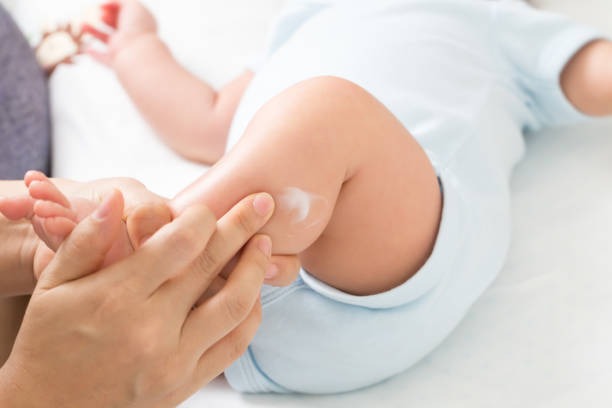
If you are shopping for options, start by deciding when you will use it. Some parents apply after baths, others use it as a quick step before bed, and some only moisturise when skin looks dry. A predictable routine matters more than using many products.
To explore a range of options in one place, you can browse baby lotion as part of a broader skincare category, then narrow your choice based on ingredients and your baby’s comfort.
How to choose a gentle option
Not every moisturiser is formulated the same way. Many baby-friendly products aim to be mild, but labels can still be confusing. Instead of focusing on marketing terms, pay attention to what helps your baby’s skin feel comfortable over time.
When choosing a baby lotion, look for a formula that prioritises moisture retention and a low-irritation profile. These practical checks can help:
- Fragrance-free or very lightly scented, since fragrance can bother sensitive skin
- Simple ingredient lists, especially if your baby is prone to dryness
- Moisturisers like glycerin that draw in water, plus occlusives that help reduce moisture loss
- Packaging that keeps the product clean, such as pumps or squeeze tubes
If your baby has very reactive skin, consider doing a small patch test on the inner arm or thigh. Apply a small amount once a day for two to three days and watch for redness or irritation. If you notice a reaction, stop using it and consider discussing it with a healthcare professional.
How to apply it comfortably
Application technique can make a difference. The easiest method is to moisturise right after bathing, when the skin is still slightly damp. This helps lock in water and can make the skin feel softer without needing a heavy layer of product.
Use clean hands, warm the product between your palms, and apply gently. Focus on areas that tend to dry out first, such as cheeks, arms, and legs. Avoid rubbing vigorously, especially if the skin looks irritated. A thin, even layer is usually enough. Over-applying can feel sticky and may transfer to clothes and bedding.
For daily use, many parents find it helpful to keep baby lotion near the changing area or bedside so it becomes a quick, repeatable step rather than a complicated routine.
Building a routine that stays realistic
A good routine is one you can maintain. If you are short on time, choose one consistent moment each day, often after the evening bath or before bedtime. Pair it with simple habits that reduce dryness:
Use lukewarm water for baths, keep bath time short, pat skin dry instead of rubbing, and dress baby in breathable fabrics. If you live in an air-conditioned environment, consider balancing comfort with humidity, since very dry indoor air can make skin feel tight.
If your baby develops persistent redness, oozing, or a rash that does not settle with basic care, it is best to seek medical advice. Skincare products can support comfort, but ongoing skin issues may need a proper assessment.
Used thoughtfully, baby lotion can be a simple, low-effort way to support soft, comfortable skin, especially when paired with gentle bathing and a consistent daily routine.
Also published here: How to Choose the Right Baby Cot Bed in Malaysia (2026 Guide), How to use a solar calculator Malaysia to plan your solar investment and Software Developer Company in Malaysia: How to Choose the Right One for Your Business.