
What to Know About Hydrafacial for Skin Maintenance
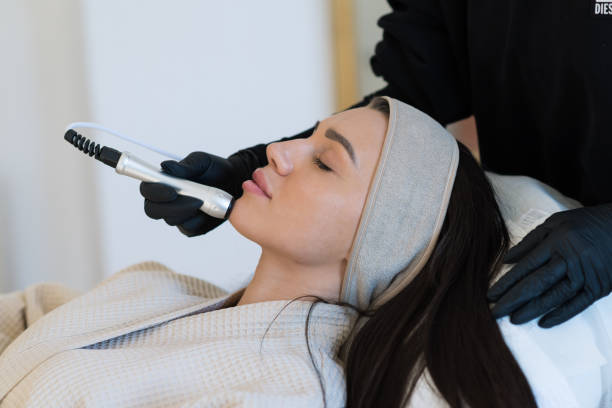
Skin treatments are often chosen based on a person’s concerns, routine, and comfort with professional aesthetic care. Some people look for support with clogged pores, dull-looking skin, uneven texture, or a buildup of surface impurities. In this context, hydrafacial is widely discussed as a non-surgical treatment used in aesthetic settings to support cleansing, exfoliation, and hydration in one session.
Aesthetic treatments are rarely one-size-fits-all. Even when a procedure is commonly known, its suitability still depends on the individual’s skin condition and treatment goals. This is why it helps to understand the general role of a treatment before deciding whether it fits your needs. A clearer overview can make consultation more useful and help patients approach treatment with more realistic expectations.
How the Treatment Is Commonly Used
Hydrafacial is generally positioned as a clinic-based skin treatment that focuses on cleansing the skin while addressing surface buildup and supporting hydration. It is often considered by individuals who want a treatment that fits into regular skin maintenance rather than a more invasive procedure. Because it is commonly associated with a multi-step approach, it is usually discussed in relation to overall skin freshness and routine skin care support.
This does not mean the same treatment plan suits every person. Skin sensitivity, active breakouts, dryness, oiliness, and other skin factors can influence whether the treatment is appropriate and how often it may be considered. A professional assessment remains important because even treatments that appear gentle should still be matched to the actual skin condition.
Why Consultation Still Matters
Before any aesthetic procedure, consultation helps ensure the treatment is aligned with the concern being addressed. A practitioner can assess skin condition, ask about sensitivities, and explain what the treatment is intended to do in a professional setting. This helps distinguish whether the procedure is suitable for maintenance, preparation before an event, or part of a broader skin care plan.
For those exploring hydrafacial, it is useful to think beyond the popularity of the treatment itself. The more important question is whether it matches the current needs of the skin. Some individuals may benefit from a routine maintenance treatment, while others may need a different approach depending on their skin concerns. Consultation helps make that clearer.
Practical Points to Consider Before Treatment
Patients often focus first on the visible appeal of a treatment, but practical considerations matter too. These include how the skin may feel afterward, whether there are specific aftercare steps, and how the treatment fits into a person’s existing skin routine. Knowing these details in advance can help set clearer expectations.
It is also worth discussing frequency. Some aesthetic treatments are chosen occasionally, while others are considered as part of ongoing maintenance. Hydrafacial is often talked about in the context of regular skin care support, but frequency should still depend on professional advice and individual skin needs. A treatment is more useful when it is chosen with purpose rather than simply added without a clear reason.
A Non-Surgical Option Within Skin Care Planning
Hydrafacial is best understood as one option within a wider range of professional skin treatments. It may appeal to people who want a non-surgical approach that focuses on skin cleansing and hydration, but it should still be viewed within the context of individual assessment and realistic planning. The treatment itself is only one part of the process. Skin condition, aftercare, and broader routine all play a role.
For many individuals, hydrafacial becomes part of the conversation when they are looking for a clinic-based treatment that supports regular skin maintenance. The most practical approach is to consider it through consultation, understand its intended role, and decide whether it suits the skin’s current needs. In aesthetic care, that balanced approach usually leads to better decisions than relying only on general impressions.